Preventive maintenance on barrier gates is cheap insurance. The difference between a site that runs a documented monthly/quarterly/annual PM program and one that runs reactively is typically 3-5x in lifetime service cost and a meaningful gap in availability. Yet the single most common mode of failure forensics in the industry is a PM program that exists on paper but is not actually performed.
A defensible PM program has three elements: a clear task list at each interval, a logging mechanism that proves work was done, and a trending review that catches drift before failure.
Why intervals are what they are
Gate PM intervals reflect three different failure mechanisms:
- Monthly inspections catch rapid-developing issues: loose hardware, obvious fluid leaks, arm damage, sensor misalignment. These can develop in weeks.
- Quarterly inspections catch slower mechanical wear: bearing noise, brake pad thickness, belt tension drift, loop sensitivity drift.
- Annual inspections are for items with multi-year development: gearbox oil analysis, seal condition, corrosion, structural fatigue.
Skipping monthly and going straight to quarterly is the most common economy that backfires.
Monthly PM checklist
Thirty minutes per gate, performed by site maintenance or an on-site technician:
Visual and physical:
- Arm condition: no cracks, no bent, no loose end-cap
- Arm counterbalance spring tension (where applicable): arm holds mid-travel position without drift
- Housing: no damage, door latches secure, no obvious water intrusion
- Mounting hardware: no loose bolts, no foundation cracks
- Cabling and conduit: no damage, no exposed wiring
- Photo beams: clean lenses, aligned, LEDs lit
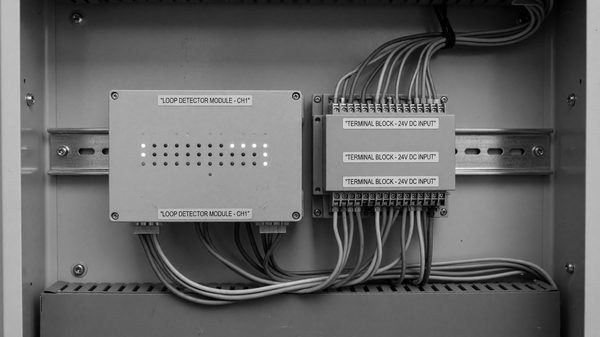
- Loop detector LEDs: showing expected no-vehicle baseline
Functional:
- Three full open/close cycles unloaded — smooth motion, no abnormal noise
- Manual release operation verified
- Safety loop test: place test cone under arm, command close, confirm reversal
- Photo beam test: break beam during close, confirm reversal
- Access control trigger test: present valid credential, confirm open
Documentation:
- Record cycle count from controller
- Log any fault codes since last visit
- Note any observations requiring next-interval action
Quarterly PM checklist
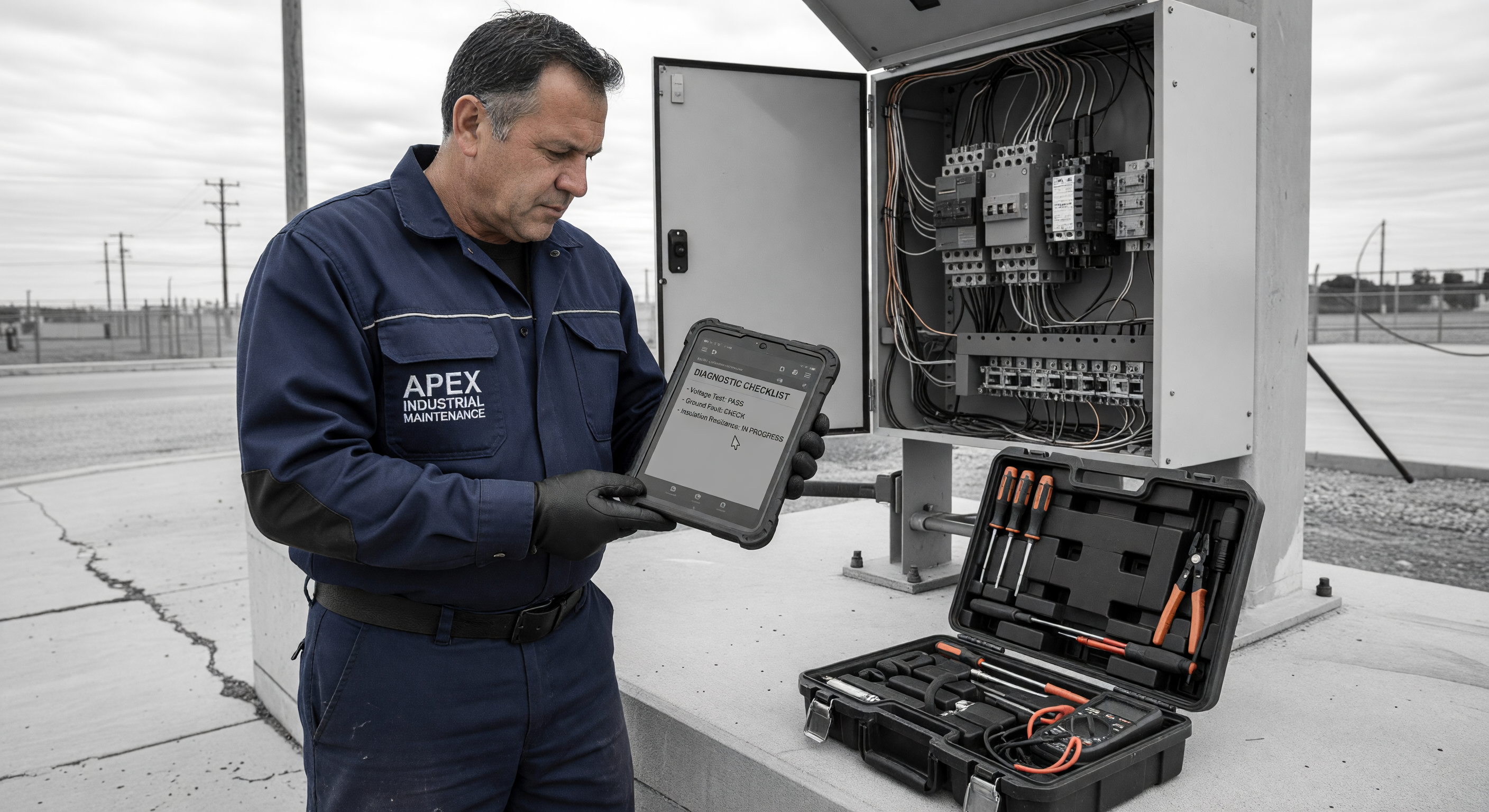
Two hours per gate, performed by a certified service technician:
All monthly items, plus:
- Operator housing internal inspection: no moisture, no insect intrusion, no rodent damage
- Motor brush wear (brushed DC only): measure brush length, replace if below minimum
- Gearbox visual inspection: no leaks, oil level in sight glass where equipped
- Drive belt tension and wear (belt-driven units only)
- Hydraulic reservoir level check and visual fluid condition (hydraulic only)
- Control board inspection: no scorching, capacitor appearance normal, connections tight
- Terminal block torque check on primary power and control wiring
- Loop detector calibration: verify sensitivity settings, baseline drift
- Limit switch activation point verification
- Battery condition test (backup battery or UPS)
- Surge protection device status
- Heater operation test (cold climate installations, conducted in summer and again at onset of heating season)
NFPA 70B recommended practices for electrical equipment maintenance provide a useful cross-reference for the electrical portions of quarterly inspection.
Annual PM checklist
Four to six hours per gate, typically scheduled during low-volume periods:
All quarterly items, plus:
- Gearbox oil change or fluid analysis (per manufacturer schedule)
- Hydraulic fluid sampling and analysis (hydraulic units only): particle count, water content, viscosity
- Filter replacement (hydraulic or air filters where equipped)
- Complete arm removal and pivot bearing inspection
- Structural mounting inspection: foundation, anchor bolts, grout condition
- Full electrical insulation resistance test on motor windings (megger test)
- Controller firmware version check and update per manufacturer guidance
- Configuration backup export to portable media
- Full safety system test and verification per UL 325 / ASTM F2200
- Loop resistance and insulation-to-ground measurement
- Complete cycle count logging
- Review of all fault logs since last annual
- Update site-specific maintenance log and trend report
Annual inspections should be documented with photographs of key components — any dispute over condition later is resolved quickly with time-stamped visual records.
Trending and root cause review
The logging discipline is what separates effective PM from performative PM. A good trending review:
- Cycle count progression quarter-over-quarter
- Fault code frequency and type
- Recurring alarms — a safety loop that triggers nuisance faults monthly is telling you something
- Component temperature trends (where measurable)
- Battery capacity degradation
- Fluid analysis trends (hydraulic units)
A 15% increase in motor current over six months, or a doubling of nuisance reversal events, predicts failure reliably. Acting on trends is the high-leverage activity; most programs stop at checkbox completion.
Documentation and retention
Maintenance records protect warranty claims, support liability defense, and provide the continuity needed when service staff change. Minimum retention:
- Monthly logs: 3 years
- Quarterly reports: 7 years
- Annual inspections: life of the gate plus 2 years
- Incident reports and safety test records: indefinitely
Digital CMMS platforms make this easier than paper, with the added benefit of automated trending and threshold alerting.
Frequently Asked Questions
Can I extend PM intervals on low-volume gates?
Annual inspection frequency should not be reduced regardless of volume — time-based wear (corrosion, seal degradation, lubricant breakdown) is independent of cycle count. Monthly intervals can reasonably extend to quarterly on genuinely low-volume residential-adjacent gates.
Who should perform quarterly and annual PMs?
Monthly can be done by trained site staff. Quarterly and annual should be done by certified service technicians with platform-specific training. Many manufacturers offer certification programs.
Does a PM program affect insurance premiums?
Sometimes, particularly for commercial properties with premium liability coverage. A documented PM program is evidence of reasonable care and can influence coverage terms.
What’s the most commonly skipped PM task?
Fluid analysis on hydraulic systems and loop resistance testing on inductive loops. Both require specialized instruments and are easy to defer; both reliably predict failures that are expensive in service mode.